
Introduction
The United States continues to be one of the most attractive destinations for skilled workers seeking better job opportunities, competitive salaries, and long-term career growth. One sector currently experiencing an especially high demand for international workers is construction. Due to rapid infrastructure development, housing expansion, and industrial growth, American construction companies are actively searching for skilled professionals from around the world.
For many international workers, one of the biggest barriers to working in the United States is obtaining legal authorization to work. Fortunately, several U.S. immigration programs allow qualified foreign workers to obtain employment through visa sponsorship by American employers. These programs make it possible for construction companies to recruit global talent when there is a shortage of local labor.
In recent years, some construction professionals have reported earning hundreds of thousands of dollars over the course of their careers in the United States. While not every worker will earn extremely high salaries immediately, experienced specialists, project managers, engineers, and contractors can potentially reach cumulative earnings approaching $900,000 or more during their time working in the industry.
This article explains how the construction visa sponsorship process works, what types of jobs are available, how much workers can realistically earn, and the steps required to apply for legitimate opportunities.
Why the U.S. Construction Industry Needs International Workers
The American construction industry plays a vital role in the country’s economic growth. Every year, billions of dollars are invested in infrastructure projects such as highways, commercial buildings, residential housing, bridges, and renewable energy facilities.
However, many companies face a significant shortage of skilled labor. Several factors contribute to this shortage:
-
An aging workforce with many experienced workers retiring
-
Increased demand for new housing and infrastructure
-
Growth in manufacturing and energy projects
-
Fewer young workers entering skilled trades
Because of these challenges, construction companies often seek international workers to fill positions that are difficult to staff locally. Visa sponsorship programs allow employers to legally hire qualified workers from outside the United States when they cannot find enough domestic employees.
Understanding Construction Visa Sponsorship
Visa sponsorship means that a U.S. employer agrees to support a foreign worker’s visa application so the worker can legally live and work in the United States. The employer typically proves to the government that the job cannot easily be filled by a local worker.
Several U.S. immigration pathways may be used for construction professionals, including:
-
H-2B Visa – for temporary non-agricultural jobs such as construction labor.
-
EB-3 Visa – for skilled workers, professionals, and other workers seeking permanent residency.
-
H-1B Visa – for highly skilled professionals such as engineers or construction managers.
These programs allow employers to sponsor workers if certain eligibility requirements are met.
Each visa category has different requirements, timelines, and documentation, but they all share one goal: enabling qualified workers to fill job vacancies in industries facing labor shortages.
How Workers Can Potentially Earn Up to $900,000 Over Time
The idea of earning $900,000 often refers to cumulative income over several years rather than a single annual salary. Construction professionals in the United States can earn strong wages depending on their skills, experience, certifications, and job roles.
Below is an overview of typical salary ranges in the U.S. construction industry:
Entry-Level Construction Workers
-
Annual salary: $35,000 – $50,000
-
Roles: laborer, helper, site assistant
-
Responsibilities: basic construction tasks, material handling, equipment support
Skilled Trades Professionals
-
Annual salary: $50,000 – $90,000
-
Roles: electrician, plumber, welder, carpenter, heavy equipment operator
Specialized Technicians
-
Annual salary: $70,000 – $120,000
-
Roles: HVAC technician, crane operator, safety inspector, structural technician
Construction Supervisors and Foremen
-
Annual salary: $80,000 – $130,000
Construction Managers and Engineers
-
Annual salary: $100,000 – $180,000 or more
Over a 10- to 15-year career, professionals in leadership or specialized roles can potentially earn cumulative income approaching or exceeding $900,000 depending on promotions, overtime, and bonuses.
Types of Construction Jobs Available Through Sponsorship
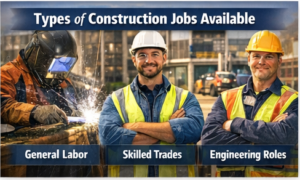
International workers may find opportunities in many areas of the construction industry.
1. General Construction Labor
These roles involve assisting skilled workers, preparing construction sites, transporting materials, and performing basic building tasks.
Typical tasks include:
-
Site preparation
-
Loading and unloading materials
-
Operating simple machinery
-
Cleaning construction areas
These positions can be a starting point for individuals who want to gain experience in the U.S. construction sector.
2. Skilled Trade Positions
Workers with technical experience are often in high demand. Skilled trades include:
-
Electricians
-
Plumbers
-
Welders
-
Carpenters
-
Masons
-
Heavy equipment operators
Many employers prefer candidates with certifications or previous experience in similar roles.
3. Engineering and Technical Roles
Professionals with degrees in engineering or architecture may qualify for higher-level construction positions.
Examples include:
-
Civil engineers
-
Structural engineers
-
Construction estimators
-
Project planners
These jobs usually require academic qualifications and specialized skills.
4. Project Management Positions
Experienced professionals may advance into management roles such as:
-
Construction manager
-
Project supervisor
-
Site manager
These positions involve overseeing large teams, coordinating budgets, and ensuring projects are completed on schedule.
Benefits of Working in the U.S. Construction Industry
Working in the United States can offer several benefits beyond salary.
Competitive Wages
Compared with many countries, construction wages in the U.S. are relatively high, especially for experienced professionals.
Career Advancement
Many workers start in entry-level positions and gradually progress into supervisory or management roles.
Skill Development
Workers gain experience using modern construction technologies, equipment, and safety standards.
Potential Immigration Pathways
Some visa programs may allow workers to eventually apply for permanent residency depending on their qualifications and employer sponsorship.
Requirements for Construction Visa Sponsorship
While requirements vary depending on the visa category, most applicants must meet certain criteria.
Basic Requirements
-
Valid passport
-
Job offer from a U.S. employer
-
Relevant experience or training
-
Ability to pass background checks
-
Compliance with immigration laws
Additional Requirements
Some roles may require:
-
Professional certifications
-
Trade licenses
-
English language proficiency
-
Educational qualifications
Employers also need to demonstrate that hiring foreign workers will not negatively impact local employment.
Steps to Apply for Construction Jobs with Visa Sponsorship
Step 1: Research Legitimate Job Opportunities
Look for construction companies that are known to hire international workers. Large contractors and infrastructure companies sometimes sponsor visas when there is a labor shortage.
Job platforms that often list sponsored roles include:
-
LinkedIn
-
Indeed
-
Glassdoor
-
company career pages
Always verify the legitimacy of job offers.
Step 2: Prepare a Professional Resume
Your resume should clearly highlight:
-
construction experience
-
certifications
-
safety training
-
technical skills
Employers want to see candidates who understand workplace safety and construction procedures.
Step 3: Apply for Positions
Submit applications through official job portals. If an employer is interested, they may invite you for interviews and discuss sponsorship options.
Step 4: Employer Initiates Visa Sponsorship
If selected, the employer may file the required documentation with United States Citizenship and Immigration Services (USCIS).
The employer typically handles much of the legal paperwork involved in the sponsorship process.
Step 5: Attend Visa Interview
After approval, applicants may need to attend an interview at a U.S. embassy or consulate in their country.
Successful applicants receive a visa allowing them to travel to the United States and begin work.
Important Tips to Avoid Job Scams
Unfortunately, some fraudulent agencies falsely promise guaranteed jobs or visas. To protect yourself:
-
Never pay large upfront fees for job placement
-
Verify company credentials
-
Apply through official websites
-
Confirm job offers with the employer directly
Legitimate employers follow legal immigration procedures and will provide proper documentation.
High-Demand Skills in Construction
Certain skills increase the chances of receiving job offers with visa sponsorship.
These include:
-
Welding and metal fabrication
-
Heavy equipment operation
-
Electrical installation
-
Plumbing systems
-
HVAC installation and repair
-
Construction safety management
-
Project planning and cost estimation
Workers who invest in training and certifications often stand out during recruitment.
Life in the United States as a Construction Worker
Relocating to a new country is a significant life change. Workers should be prepared for adjustments such as:
Workplace Culture
American construction sites emphasize safety, punctuality, and teamwork.
Living Costs
Expenses vary depending on the city or state. Some employers assist with temporary housing.
Career Opportunities
Many workers continue developing their careers by gaining certifications, attending training programs, or pursuing higher education.
The Future of Construction Careers in America
The demand for skilled construction professionals is expected to remain strong for years. Infrastructure investments, renewable energy projects, and housing development will continue creating job opportunities.
Government initiatives aimed at modernizing roads, bridges, and public facilities also contribute to steady growth in the industry.
For international workers with the right skills and determination, this sector offers a pathway to long-term career stability.
Conclusion
The possibility of relocating to the United States through construction visa sponsorship represents a valuable opportunity for skilled professionals worldwide. While the idea of earning up to $900,000 may reflect cumulative career earnings rather than immediate salary, the construction industry still provides competitive pay, career growth, and valuable international experience.
Success in this field requires preparation, legitimate job applications, and compliance with immigration regulations. Workers who build strong skills, maintain professionalism, and follow legal processes may find rewarding careers within the American construction sector.
If you are considering working abroad, exploring construction visa sponsorship opportunities could be a meaningful step toward achieving your long-term professional goals.